Metropolis Music Font for Futuristic Branding
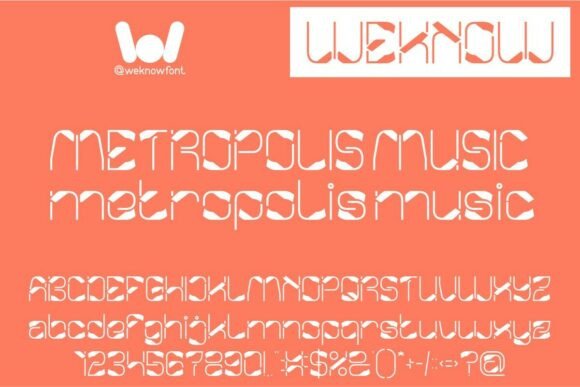
I was working on a brand board for a new creative studio, and I needed something bold, fresh, and a little bit out of the ordinary. That’s when I stumbled upon Metropolis Music, a Display font that immediately felt like it belonged in a sci-fi movie or a futuristic design project. Its modular geometric nuances and cyber modernism instantly caught my eye. It wasn’t just a font—it was a statement.
Metropolis Music for Logo Design and Brand Identity
Metropolis Music as a Fonts choice stood out right away when I tested it on a logo draft for a tech startup. The clean lines and sharp angles gave it an air of authority without being cold or impersonal. It worked especially well with minimalist layouts and high-contrast color schemes. I paired it with a sans serif font for body text, which created a balanced yet dynamic visual hierarchy.
The geometric structure of Metropolis Music made it perfect for logos that need to convey innovation, precision, or a forward-thinking mindset. When placed on a brand board, it brought a sense of energy and modernity that aligned perfectly with the client's vision. It didn’t feel too avant-garde to alienate audiences, nor did it come off as generic or overused.
Metropolis Music on Packaging Mockups and Product Labels
Next, I used Metropolis Music on a packaging mockup for a line of smart home devices. The font’s sleekness and futuristic appeal translated beautifully onto product labels and box designs. It had a certain weight and presence that made it ideal for catching attention from a distance, whether on store shelves or online listings.
I found that Metropolis Music performed best when used sparingly on packaging—perhaps for the brand name or key selling points. Too much of it could overwhelm the design, but in moderation, it added a touch of sophistication and edge. It also worked surprisingly well with metallic finishes and neon accents, reinforcing its cyber modernist theme.
Metropolis Music for Social Media Graphics and Website Headers
When testing Metropolis Music on social media graphics, I noticed how it commanded attention without being distracting. It looked fantastic on Instagram posts, especially when used for headlines or taglines. The font’s unique digital flair helped elevate the content, making it stand out in a sea of standard typefaces.
On a website header, Metropolis Music added a layer of personality and creativity. It worked particularly well for landing pages or portfolio sites that wanted to showcase a bold, innovative brand image. However, I did notice that at smaller sizes, the details in the letters could become less readable. So, it’s important to test it across different screen sizes before finalizing any web design.
Metropolis Music in Business Cards and Printed Materials
For a set of business cards, I experimented with Metropolis Music and found that it had a surprising amount of versatility. When printed on matte stock, the font had a tactile quality that felt almost futuristic. It was especially effective when used with minimalistic layouts and monochromatic color palettes.
However, I wouldn’t recommend using Metropolis Music for long paragraphs of body text. Its display nature makes it better suited for short phrases, headlines, or accents. For anything longer, a more legible sans serif or serif font would be a safer bet.
Choosing the Right Pairings and Licensing for Metropolis Music
If you're considering Metropolis Music for your next branding project, take time to explore font pairing options. A complementary sans serif font can help maintain readability while still allowing Metropolis Music to shine as a headline or accent. I found that pairing it with a clean, modern sans serif like Helvetica Neue or Montserrat created a strong contrast that elevated the overall design.
Before using Metropolis Music in any commercial work, make sure you check the licensing agreement. Since it's a Display Fonts option, it's likely intended for use in specific contexts such as logos, headers, or promotional materials. Always confirm that the license covers your intended usage—whether it's for print, web, or merchandise.