Memo Friend: A Playful Display Font for Creative Branding
Opening a fresh brand board, I found myself staring at a blank canvas, eager to bring a new concept to life. The project? A visual identity for a small artisanal coffee shop nestled in the heart of a bustling city. As I explored font options, Memo Friend caught my eye—its bold, slightly irregular strokes and playful “w” immediately felt like the kind of character that could make a brand feel warm and inviting.
Memo Friend for Coffee Shop Logos and Branding
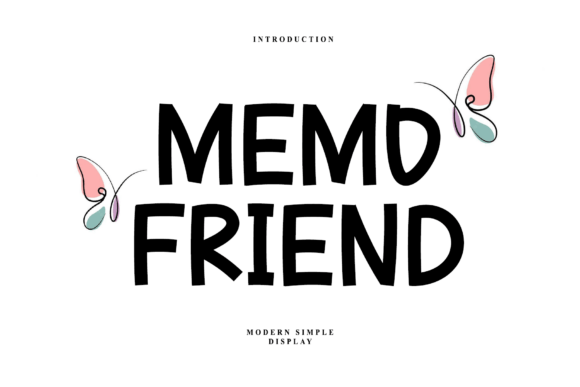
Memo Friend is a cheerful and approachable display font designed to bring a friendly, handcrafted touch to your creative projects. Its unique personality shone through when I first applied it to a logo draft. The irregularity in the strokes gave the text an organic, hand-drawn feel, which perfectly matched the café’s ethos of locally sourced beans and community vibes.
I tested it on a few variations—bold for the main name, lighter for the tagline—and found that it added just the right amount of whimsy without sacrificing readability. It worked especially well as a display font, standing out on signage and packaging while still feeling approachable enough for menus and promotional materials.
How Memo Friend Enhances Visual Hierarchy in Brand Materials
When designing the café’s branding, I needed a font that would guide the viewer’s eye naturally. Memo Friend’s playful yet structured design made it ideal for headlines and hero sections. It drew attention without being overwhelming, creating a clear visual hierarchy that separated key messages from supporting details.
The font also played nicely with a clean sans serif typeface for body text, allowing the brand to feel both modern and personal. This font pairing helped maintain a balance between creativity and professionalism, ensuring the brand didn’t come off as too casual or too formal.
Memo Friend in Packaging Design and Product Labels
Memo Friend is a cheerful and approachable display font designed to bring a friendly, handcrafted touch to your creative projects. When it came to designing product labels for the café’s signature blends, this font was a natural fit. Its slightly irregular strokes gave each label a handcrafted look, reinforcing the idea that every cup was made with care.
I used Memo Friend on the front of the packaging, paired with a minimalist sans serif for the ingredient list. The contrast made the labels easy to read but still fun to look at. Even on small surfaces like sticker tags, the font maintained its charm without becoming cluttered.
Testing Memo Friend on Digital and Print Assets
Before finalizing the brand system, I tested Memo Friend across multiple platforms. On digital assets like social media graphics and website headers, the font looked crisp and vibrant. On printed materials such as business cards and posters, it retained its warmth and legibility.
I also considered how the font would scale—whether it would be too busy for a small logo or too simple for a large banner. Memo Friend proved versatile, working well in both contexts. It’s a great example of a display font that can adapt to different sizes and mediums without losing its character.
Memo Friend for Social Media Graphics and Web Headers
Memo Friend is a cheerful and approachable display font designed to bring a friendly, handcrafted touch to your creative projects. For the café’s Instagram posts and website headers, I wanted something that would stand out in a sea of generic fonts. Memo Friend delivered exactly that—its playful “w” and bold strokes made it instantly recognizable and memorable.
On the website, I used Memo Friend for the hero section headline, where it commanded attention without overshadowing the content below. In social media posts, it added a sense of authenticity and approachability, making followers feel like they were part of a welcoming community.
Font Pairing Tips for Using Memo Friend in Web and Print
To keep the design cohesive, I paired Memo Friend with a complementary sans serif font for body copy. This created a nice contrast while keeping the overall look balanced. For more decorative elements, like callouts or quotes, I used a script font to add another layer of texture and interest.
If you’re using Memo Friend in your own projects, consider how it interacts with other fonts. A good rule of thumb is to use one display font and one or two supporting typefaces to avoid visual overload. Always test the font in context—how it looks on a webpage versus a printed flyer can vary significantly.
Memo Friend for Editorial Design and Merchandise
Memo Friend is a cheerful and approachable display font designed to bring a friendly, handcrafted touch to your creative projects. When designing merchandise like mugs and tote bags for the café, I knew the font had to be both durable and visually appealing. Memo Friend’s bold strokes translated well into screen printing, maintaining clarity even at smaller sizes.
In editorial design, such as newsletters or blog posts, Memo Friend was used sparingly—for headlines and titles. It added a touch of personality without distracting from the content. The font’s handcrafted appeal also aligned well with the café’s storytelling approach, making the brand feel more human and relatable.
Practical Advice for Testing Memo Friend in Client Projects
Before committing to Memo Friend for a full brand system, I recommend testing it in various scenarios. Try it on mockups of logos, packaging, and web pages to see how it performs across different formats. Pay attention to how it looks at different sizes and distances—what works on a large banner may not be readable on a business card.
Also, check if the font includes alternate characters or ligatures that might enhance your designs. These subtle details can make a big difference in the final outcome. And don’t forget to ensure that the font license covers all the platforms and uses you plan to implement it on.