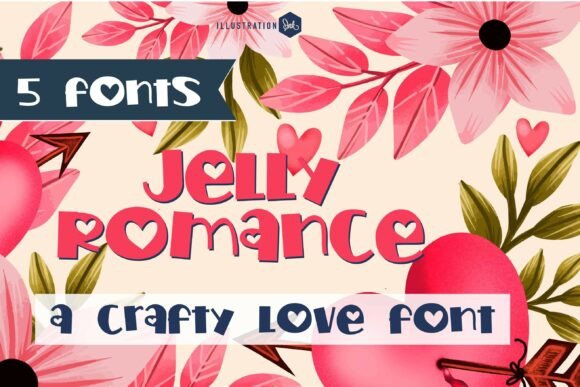
Jelly Romance Font for Bouncy and Flexible Design
As I prepped the launch graphic for a seasonal sale, I knew the headline needed to pop—something playful yet professional. That’s when I landed on Jelly Romance, a Display Font that feels as bouncy and flexible as its name suggests. With its crafty love aesthetic, it added just the right amount of fun without sacrificing clarity.
Jelly Romance for Social Media Graphics and Instagram Posts
When designing the Instagram post for the same campaign, I wanted the text to feel light and engaging. Jelly Romance fit perfectly in the visual hierarchy, especially for short headlines and callouts. Its soft curves and energetic bounce made the “Sale 40% Off” message feel inviting rather than pushy. The font's flexibility allowed me to tweak the spacing and size for different posts, ensuring consistency across the feed while keeping each design fresh.
I tested it in both light and dark backgrounds, and it maintained good contrast and readability. Even at smaller sizes, the characters didn’t lose their charm, which was crucial for mobile users scrolling through fast.
Jelly Romance in YouTube Thumbnails and Reels Covers
For the YouTube thumbnail set, I needed something eye-catching but not overwhelming. Jelly Romance came in handy for the title text, adding a touch of whimsy that aligned with the brand’s playful tone. Pairing it with a clean sans serif font for supporting text helped balance the design, making sure the key message stood out without distraction.
The bouncy nature of the font worked well with animated thumbnails too. It felt dynamic, which resonated with younger audiences who are more likely to engage with content that feels lively and modern.
Jelly Romance for Email Campaigns and Website Banners
In the email promotion for the same sale, I used Jelly Romance for the subject line and header. It gave the email a friendly, approachable vibe that encouraged opens and clicks. On the landing page, the font was used sparingly in the hero banner, allowing the main CTA button to remain bold and clear.
Readability was key here, and even though the font is display-oriented, I found that using it for short phrases or decorative titles kept the overall layout clean and easy to navigate. It wasn’t ideal for long paragraphs, but that’s where a more traditional font would take over.
Jelly Romance for Branding and Decorative Titles
Jelly Romance has a unique personality that makes it great for branding elements like logos, taglines, or custom illustrations. Its crafty twist gives it an edge over generic fonts, helping a brand stand out in a crowded market. I used it in a branded template pack for a client, and it became a signature element of their identity.
It also worked well for decorative titles in editorial designs or packaging concepts. The font’s versatility allowed it to be used in both digital and print formats, making it a valuable asset for multi-channel campaigns.
While Jelly Romance is best suited for display purposes, pairing it with a complementary typeface can elevate its impact. A clean sans serif or a subtle serif font works well as a base, letting the bouncy style shine without clashing.
Jelly Romance for Webinar Banners and Course Launches
When designing a webinar banner for an online course launch, I needed a font that felt both creative and trustworthy. Jelly Romance delivered on the creativity front, and by balancing it with a minimalist sans serif, I achieved the right tone. The result was a visually appealing banner that caught attention while still feeling professional.
The font’s ability to convey warmth and energy made it perfect for courses targeting creative professionals or lifestyle brands. It helped establish a connection with the audience from the very first glance.
Before finalizing any project, I always check if the font includes alternate characters, ligatures, and multilingual support. For Jelly Romance, these features were available, which made it easier to use in global campaigns or multilingual content without extra effort.